
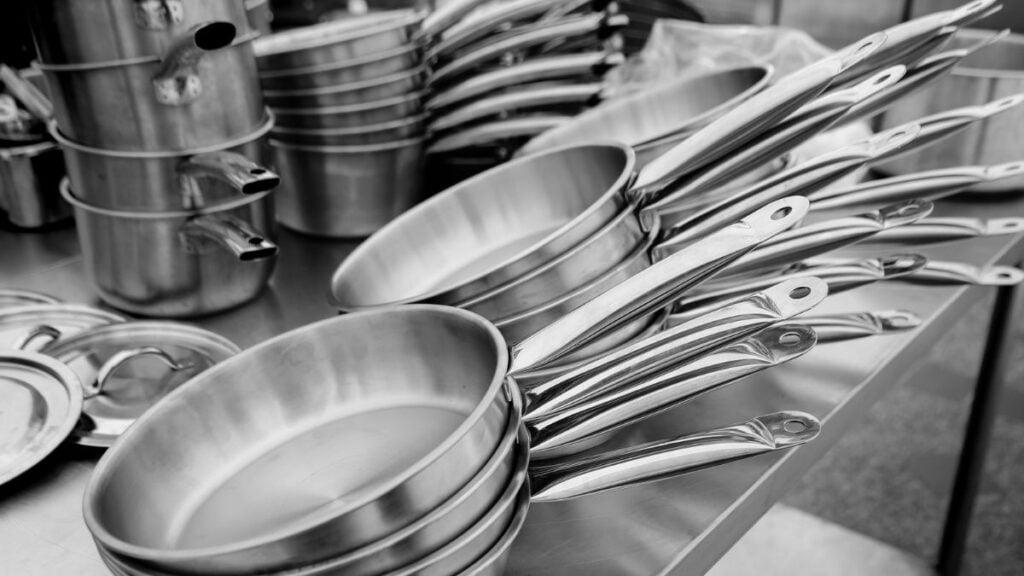
Walk into any professional kitchen or a high-end home, and you’ll find cookware that feels heavy, heats evenly, and lasts for years. The secret behind that performance isn’t just the design of the pot or pan—it’s the material it’s made from. More specifically, it’s cookware clad metal.
Unlike single-metal cookware, clad metal combines the best properties of multiple metals into a layered structure. Stainless steel brings strength and durability. Aluminum adds thermal conductivity. Copper delivers precision heat control. Together, they create cookware that chefs trust and consumers love.
For cookware manufacturers, understanding clad metal isn’t just about materials science—it’s about meeting the growing demand for cookware that works on modern stovetops, especially induction, while delivering professional-grade performance at home.

What Is Cookware Clad Metal?
Cookware clad metal refers to a composite material made by bonding two or more metals into a single piece. Instead of using just stainless steel or just aluminum, clad metal cookware circles or discs use layers such as:
-
Stainless Steel (304 or 430) – Durable, non-reactive, corrosion-resistant.
-
Aluminum (1050, 3003, or higher grades) – Lightweight, excellent thermal conductor.
-
Copper (C11000, oxygen-free copper) – The best conductor of heat among cookware metals.
These layers are bonded through advanced processes like roll bonding or explosion bonding, creating a permanent union that doesn’t separate under heat or pressure.
The result is cookware materials such as 2-ply, tri-ply, 4-ply, or even 5-ply clad discs, which are then deep drawn into pots, pans, and other utensils.
Why Clad Metal Matters in Cookware
1. Even Heat Distribution
Nobody likes hot spots that burn food in one corner of a pan while leaving another corner undercooked. By combining copper or aluminum cores with stainless steel, clad metal ensures heat spreads evenly across the entire cooking surface.
2. Durability & Longevity
Solid aluminum cookware is easy to dent and can react with acidic foods. Pure copper cookware requires constant polishing. Stainless steel alone heats unevenly. Clad metal solves these problems by balancing strength with performance.
3. Induction Compatibility
With induction cooktops rapidly growing in popularity in North America and Europe, clad metal manufacturers add 430 stainless steel layers to make cookware induction-ready. Without this, even premium copper pans won’t work on modern stovetops.
4. Food Safety
The cooking surface in most multi-ply clad cookware is 304 stainless steel (18/8). It’s hygienic, non-reactive, and won’t leach into food, making it ideal for safe everyday cooking.
5. Aesthetic Appeal
Beyond function, cookware made with copper exteriors or polished stainless steel appeals to consumers who see cookware as both a tool and a piece of kitchen décor.
Common Types of Cookware Clad Metal
2-Ply Clad Circles
-
Example: SS304 + Aluminum
-
Affordable, good thermal performance, widely used in entry-level cookware.
Tri-Ply (3-Ply) Clad Circles
-
Example: Copper + Aluminum + Stainless Steel
-
Combines copper’s responsiveness with stainless durability.
-
Popular for mid to high-end cookware lines.
4-Ply Clad Circles
-
Example: 304 + Aluminum + 430 + Copper
-
Designed for induction-ready cookware with excellent heat conduction.
5-Ply Clad Circles
-
Example: SS304 + Al1050 + Cu + Al1050 + SS430
-
High-performance cookware base, ensures durability, induction compatibility, and precise thermal control.
Each ply structure allows manufacturers to target different market segments—from affordable everyday cookware to luxury copper-core lines.

Manufacturing Cookware from Clad Circles
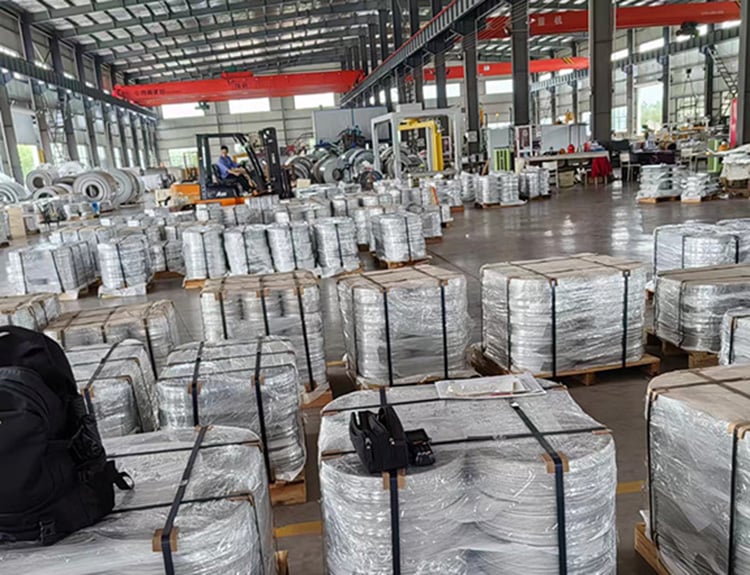
Clad metal isn’t shipped as sheets alone. For cookware, manufacturers use clad circles or discs that are cut to exact diameters and thicknesses. These circles are then:
-
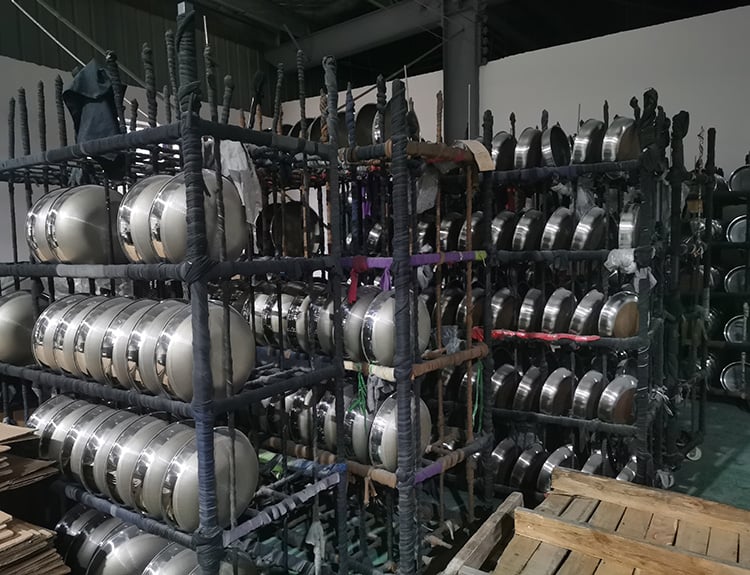
Deep Drawn – Pressed into pans, pots, or lids.
-
Trimmed & Polished – Edges are smoothed, surfaces polished or mirror-finished.
-
Assembled – Handles, lids, and accessories are added.
During deep drawing, clad metals must maintain strong adhesion between layers to prevent separation. That’s why quality control—metallographic testing, bonding strength checks, and flatness inspections—is critical.
Technical Aspects
-
Thickness Range: 0.24 mm – 5.0 mm (varies by ply type)
-
Diameter Range: 115 mm – 510 mm
-
Surface Finish: BA (bright annealed), 2B, or mirror polish
-
Grades Used: SUS304, SUS430, Al1050, Al3003, C11000 copper
-
Deep Drawing Depth: Up to 200 mm without cracking
Applications
-
Cookware Manufacturing – Fry pans, saucepans, stockpots, grill pans, pressure cookers.
-
Professional Kitchens – Restaurant-grade pans that demand fast, even heating.
-
Consumer Cookware Sets – Induction-ready sets for home chefs.
-
Utensils & Kitchenware – Bowls, lids, trays requiring deep drawing performance.
Market Drivers in North America & Europe
-
Shift to Induction Cooking – Consumers upgrading kitchens to induction stoves demand compatible cookware.
-
Premiumization – Growing demand for high-end cookware with copper finishes and multi-ply performance.
-
Sustainability – Clad metals are recyclable, reducing waste compared to coated aluminum pans.
-
E-commerce Growth – Cookware buyers increasingly compare technical specs online, making EEAT-rich product pages critical for brand trust.
Comparison with Single-Metal Cookware
| Property | Stainless Steel Alone | Aluminum Alone | Copper Alone | Clad Metal |
|---|---|---|---|---|
| Heat Distribution | Poor | Good | Excellent | Excellent |
| Corrosion Resistance | Excellent | Fair | Needs polishing | Excellent |
| Durability | High | Medium | Medium | High |
| Induction Ready | 430 only | No | No | Yes (with 430 layer) |
| Cost | Low-Medium | Low | High | Medium-High |
This comparison shows why multi-ply clad cookware has become the standard for mid to high-end cookware brands.

Why Manufacturers Choose Clad Metal Suppliers in China
China has become the world’s largest base for cookware clad metal production. Suppliers like Hebei Yuguang Welding Co., Ltd offer:
-
OEM/ODM services for global cookware brands
-
Customization in ply structure, diameter, thickness, and copper ratio
-
Competitive pricing thanks to advanced roll bonding technology and scale
-
Quality assurance backed by metallographic testing and export certifications
For cookware brands in the U.S. and Europe, sourcing from a trusted Chinese supplier ensures access to high-quality clad circles at scale, enabling them to compete in both retail and professional markets.

 English
  Spanish
  Russian
  French
  German
  Japanese
  Korean
  Arabic
  Portuguese
  Indonesian
  Thai
Thai