
Introduction to Cookware Clad
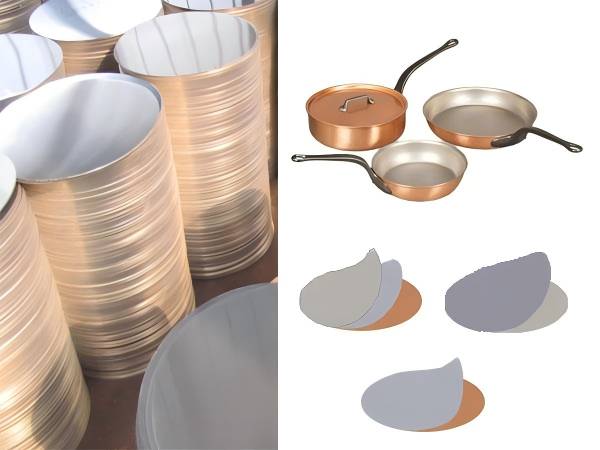
Selecting the right cookware can be a daunting task given the plethora of options available. Cookware clad, however, has emerged as a top contender for both amateur cooks and professional chefs alike. This type of cookware consists of multiple layers of different metals, each contributing unique properties to improve cooking performance. By combining metals like stainless steel, aluminum, and copper, cookware clad provides superior heat distribution, enhanced durability, and greater versatility in the kitchen. These multi-layered designs ensure that heat is spread evenly, minimizing hotspots and delivering consistent results. The combination of durability and high performance makes cookware clad a valuable investment for anyone looking to elevate their culinary skills.
Benefits of Using Cookware Clad
Cookware clad brings numerous benefits, particularly in heat distribution. The combination of metals like stainless steel, aluminum, and copper ensures uniform heat across the cooking surface, reducing the risk of unevenly cooked food. This multi-layer construction also contributes to the cookware’s longevity, offering resilience against warping and degradation over time. This makes cookware clad a dependable option for a variety of cooking tasks, from high-heat searing to slow simmering. The versatility of these pans is another key advantage; they seamlessly transition from stovetop to oven, accommodating a wide range of recipes and cooking methods. This adaptability makes them a staple in both home and professional kitchens.
Types of Cookware Clad Materials
Cookware clad utilizes various materials to achieve its unique properties. Stainless steel is a prominent choice, praised for its resistance to rust and stains, making it easy to clean and maintain. It is often paired with aluminum or copper to enhance heat conduction. Copper, known for its superior heat conductivity, ensures rapid and even heat distribution, which is crucial for precise cooking. However, copper alone can react with certain foods, so it is typically layered with stainless steel to prevent such reactions and to boost durability. Aluminum, valued for its lightweight nature and excellent heat distribution, is another key material in clad cookware. When combined with stainless steel, it becomes sturdier and more versatile for various cooking techniques. This multi-metal construction leverages the best properties of each material, resulting in cookware that excels in performance, durability, and versatility.
Comparing Cookware Clad to Other Cookware
When comparing cookware clad to non-clad options, the benefits become evident. Non-clad cookware often suffers from uneven cooking and lacks the durability found in clad alternatives. With cookware clad, consistent performance is almost guaranteed, thanks to its multi-metal layers that ensure even heat distribution and reduce the risk of hot spots.
The longevity of cookware clad sets it apart from many other options. While non-clad cookware might degrade or warp over time, clad varieties maintain their integrity even with frequent use. This durability makes it a preferred choice for both home cooks and professional chefs who require reliable performance day in and day out.
Another significant difference lies in versatility. Cookware clad can easily transition from stovetop to oven, making it suitable for a wider range of cooking techniques and recipes. Non-clad cookware, on the other hand, might not offer the same level of adaptability, limiting its usefulness in the kitchen.
The initial cost of cookware clad can be higher compared to other options. However, this upfront investment is often offset by its long-term benefits. Unlike cheaper cookware that may need frequent replacement, high-quality clad options can serve well for many years, ultimately providing better value.
Tips for Maintaining Cookware Clad
Proper maintenance plays a crucial role in prolonging the life of cookware clad. Cleaning should always start with mild dish soap and a soft sponge. Harsh detergents and abrasive pads can damage the surface, diminishing its performance and aesthetic appeal over time.
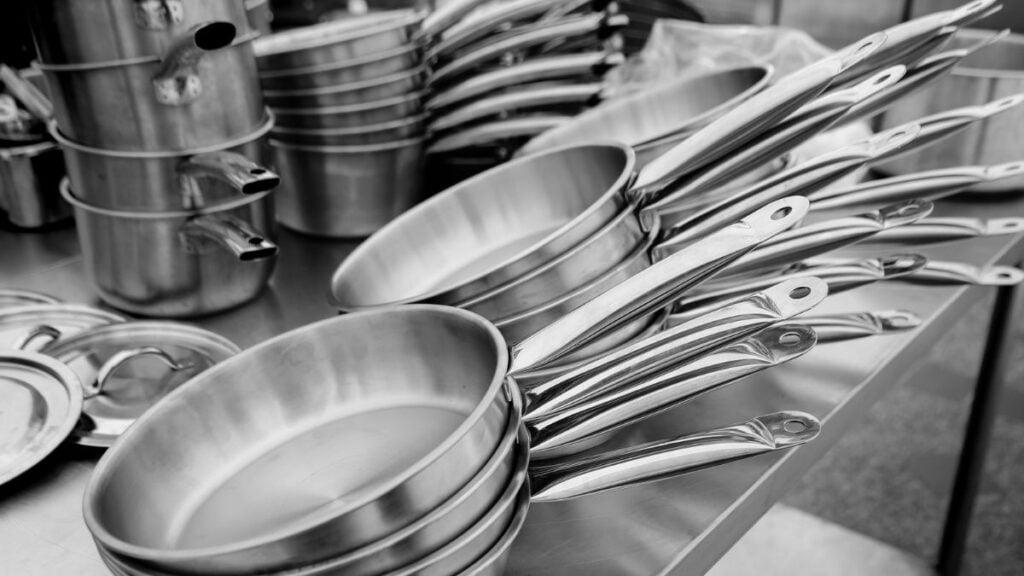
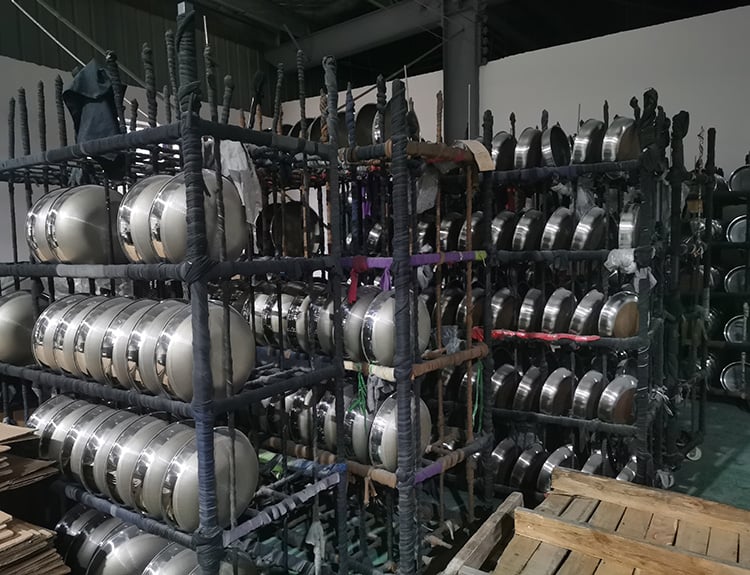
Storage methods also contribute to the longevity of cookware clad. Ensuring each piece is completely dry before stacking helps prevent moisture damage and potential corrosion. Using soft cloths or protectors between stacked items can mitigate the risk of scratches, preserving the pristine condition of the cookware.
Cooking with the right utensils can further protect the surface. Wooden or silicone tools are recommended over metal ones, which can cause scratches. It’s also advisable to avoid using high heat unless necessary; medium to low heat settings are usually sufficient due to the superior heat conductivity of clad cookware.
For stubborn food residues, soaking the cookware in warm, soapy water can make cleaning easier. Avoid drastic temperature changes like plunging a hot pan into cold water, as this can lead to warping.
Regular maintenance includes occasional polishing to keep the cookware looking its best. Stainless steel polish can restore shine, while a vinegar solution can remove any discoloration.
By following these tips, the performance and appearance of cookware clad can be maintained, ensuring it remains a reliable asset in any kitchen.
Conclusion
Choosing cookware clad is a practical decision for those who value performance and longevity in their kitchen tools. The multiple layers of metals like stainless steel, aluminum, and copper provide unparalleled heat distribution and durability, ensuring that food is cooked evenly and thoroughly. This type of cookware stands out for its ability to handle a variety of cooking methods, making it a versatile option for both novice and experienced cooks.
Another notable aspect is the investment value. While the initial cost may be higher, the long-term benefits far outweigh the price. Cookware clad is built to withstand the rigors of frequent use without degrading or warping, unlike many non-clad alternatives. This durability makes it a reliable choice that can serve well for years, ultimately offering better value for the money spent.
Proper maintenance is key to preserving the quality of cookware clad. Simple practices such as using mild dish soap, avoiding harsh abrasives, and employing wooden or silicone utensils can significantly extend the life of the cookware. Ensuring pieces are dry before storage and using protectors can prevent damage, maintaining their pristine condition.
In professional kitchens, where performance and reliability are paramount, cookware clad is often the preferred choice. Its ability to transition from stovetop to oven and handle various cooking techniques makes it indispensable. For home cooks aspiring to elevate their culinary skills, investing in cookware clad means choosing quality and consistency. This cookware not only enhances the cooking experience but also ensures that culinary endeavors are met with success and satisfaction.

 English
  Spanish
  Russian
  French
  German
  Japanese
  Korean
  Arabic
  Portuguese
  Indonesian
  Thai
Thai